What is Occupational Therapy?
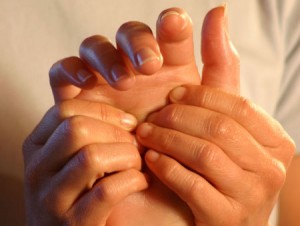 By definition, Occupational Therapy (also abbreviated as OT) aims to promote health by enabling individuals to perform meaningful and purposeful activities during their lifespan.(1) Interventions are designed to meet functional outcomes that achieve the highest possible level of independence. Occupational therapists (OTs) may treat patients with physical, mental, developmental, social or psychological conditions. The roles and areas that occupational performance can encompass is so extensive that OTs can work with a wide range of clients in their limitations and the settings. In the physical rehabilitation setting, one area includes orthopedic conditions of the hand and upper extremity.
 For the past few decades, the number of females participating in sports has increased. In addition, the incidence of female athletes sustaining an anterior cruciate ligament (ACL) tear has also considerably grown. Studies have indicated that ACL injuries are up to 2-8X more common in females than males. The aftermath of an ACL tear is significant physically, mentally, and financially. The average rehabilitation time following an ACL reconstruction is about 9 months.